The Old Believers
The largest, most accurate source for Old Believer history, worship, and theology resources.
New arrivals
-
Infant Boys Baptismal Cross
Original price was: $7.50.$5.00Current price is: $5.00. -
Old Believer Baptismal Cross. Adult Female.
Original price was: $30.00.$19.99Current price is: $19.99. -
Infant Girl Baptismal Cross
Original price was: $10.00.$7.50Current price is: $7.50.
Latest Articles
Old Believer Works
-
“Pomorian Answers”: On the Attitude Toward State Authority and Toward Heterodoxy. -Shakhov.
By Mikhail Olegovich Shakhov. Already in the first decades after the Schism, the state authorities and the official Church acted together as persecutors of the zealots of the ancient piety. Old Belief then faced the necessity of defining its attitude toward the state and toward society. It had to formulate its social position. The “Pomorian…
-
The Origins of Russian Caesaropapism
By Gleb Chistyakov. The church reforms of Tsar Alexei Mikhailovich and his son Peter Alekseevich concerned not only liturgical rites but also, more broadly, changes in the position of the Church within the state. Through the efforts of these two sovereigns, the official Church fell into complete dependence on secular authority, thereby establishing the ideology…
Calendar Days
-
Feb. 26 – St. Porphyry of Gaza
Saint Porphyry, Archbishop of Gaza, was born around 346 in Thessaloniki, in Macedonia. His parents were wealthy people, which allowed Saint Porphyry to receive a good education. Having an inclination toward monastic life, at the age of twenty-five he left his homeland and went to Egypt, where he labored on the Nitrian Mountain under the…
-
Feb. 25 – St. Tarasiy of Constantinople
Saint Tarasiy, Patriarch of Constantinople, came from a noble family. He was born and raised in Constantinople, where he received an excellent education. He quickly rose at the court of Emperor Constantine VI Porphyrogennetos (780–797) and his mother, the holy Empress Irene (797–802; commemorated August 7), attaining the rank of senator. At that time, the…
Patristic Works
-
Dialogue Against the Luciferians. -Blessed Jerome.
Recently, one of Lucifer’s followers, in an unbearably talkative argument with another man who was a child of the Church, displayed eloquence that was purely dog-like in its malice. He claimed that the devil had taken possession of the entire world, and that the Church—as they are accustomed to say—had turned into a brothel. The…
-
On Repentance and Patience. -Ephrem the Syrian
Has anyone ever pondered that this present life is like a runaway slave, an inconstant turncoat, and a house being torn down? Has anyone guarded his soul with such wisdom as to escape the sentence that awaits the wicked in the great and terrible day of God’s judgment? What fountain of tears will be sufficient…
Prayers and Liturgics
-
Canon to the Holy Martyr Agatha
Irmos (Tone 2): Come, O people, let us sing a song to Christ God, Who divided the sea and led His people whom He brought out of the bondage of Egypt, for He is glorified. Refrain: Holy Martyr Agatha, pray to God for us. Desiring first the Cause of good things, thou wast accounted worthy,…
-
Psalms at the Liturgy. (Obednitsa)
Psalm 102. Bless the Lord, O my soul, and all that is within me, bless his holy name. Bless the Lord, O my soul, and forget not all his benefits: who cleanseth all thine iniquities, who healeth all thy infirmities, who redeemeth thy life from corruption, who crowneth thee with mercy and tender compassions, who fulfilleth…
Canons
-
Canons of the 3rd Ecumenical Council. Ephesus
About the Council The holy and ecumenical third council was held under Emperor Theodosius the Younger, when two hundred fathers gathered in Ephesus against Nestorius, the patriarch of Constantinople, who called Christ a mere man and taught that the Son of God was united with him by favor toward him. Therefore, he did not allow…
-
Canons of the 2nd Ecumenical Council. Constantinople.
On the Council Zonara and Valsamon. The holy and ecumenical Second Council was held under the Emperor Theodosius the Great, in Constantinople, when one hundred and fifty Holy Fathers assembled against the Spirit-fighters, and they set forth the following rules. Slavic Kormchaya. The holy ecumenical Second Council was held under the Tsar Theodosius the Great,…
Our Mission
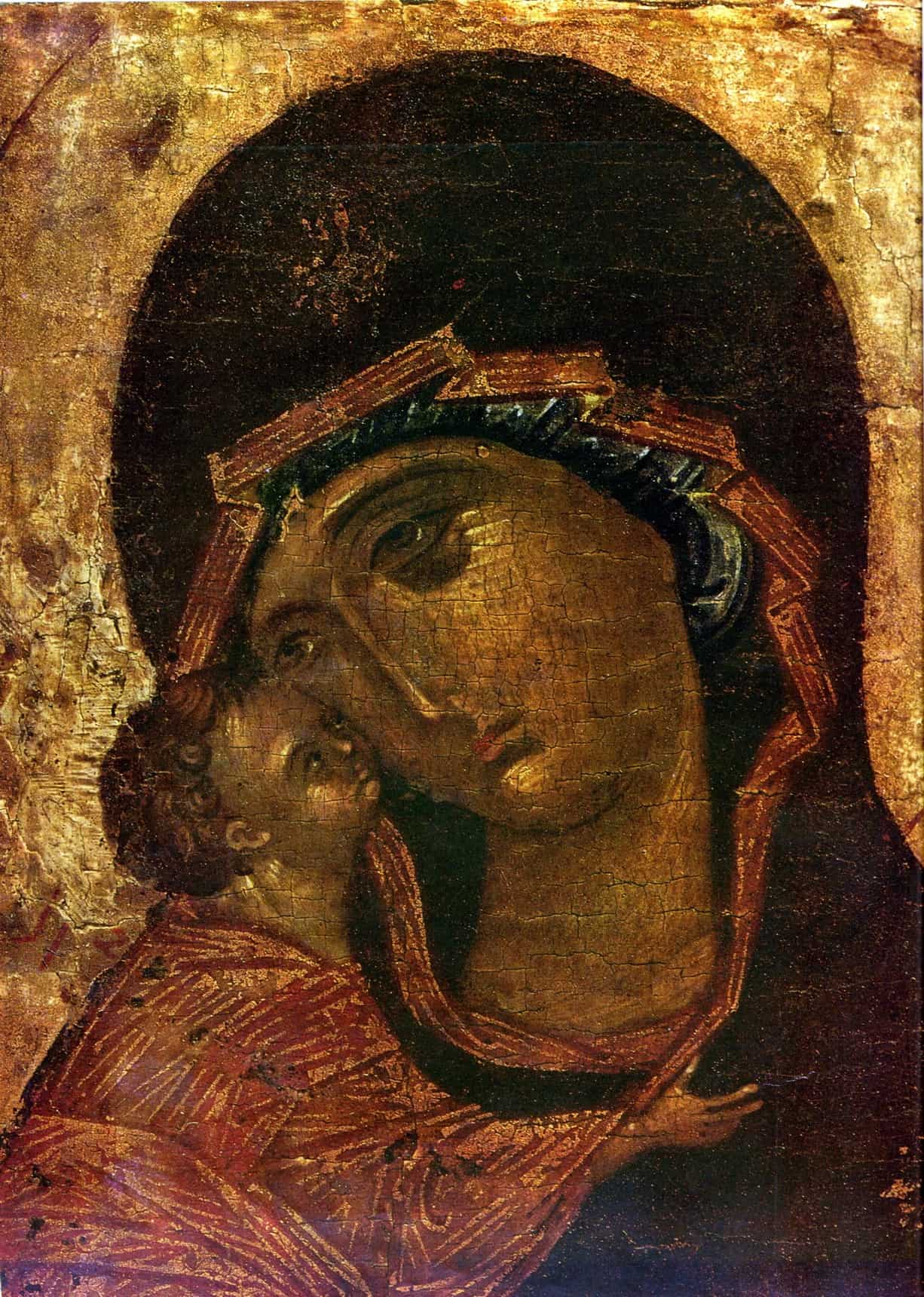
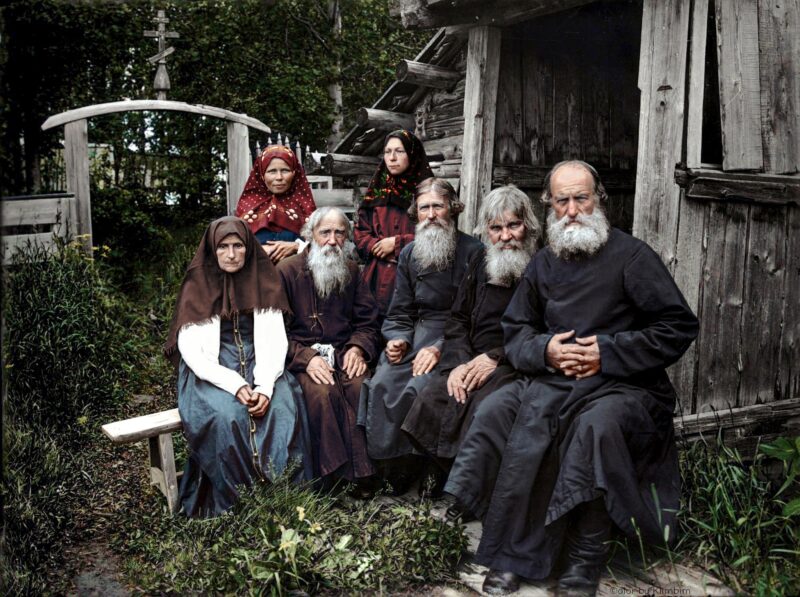
Bridging five centuries of tradition with today’s reader, The Old Believers offers carefully-crafted English translations of Old-Rite sermons, articles, and liturgical materials—texts seldom found outside Russian or Church Slavonic, so that scholars, clergy, and the simply curious may hear the original voice of the Old Believer Church without linguistic barriers. We publish freely, without ads, trusting that beauty and accuracy speak for themselves. Explore the Library, browse our self-published books, and join us as we safeguard a heritage too precious to fade.
-
Who are the Old Believers?
Old Believers are Orthodox Christians who did not accept the reforms of the Russian Church implemented in the mid-17th century by Patriarch Nikon and Tsar Alexei Mikhailovich Romanov. Although the term “Old Ritualist” (старообрядцы) is part of the official name of the Russian Orthodox Old Believer Church, it was adopted out of historical necessity and does not fully convey the richness of Orthodox doctrine upheld by the Old Believers.
The term “rite” (обряд) appeared only after the church schism, during the early 18th century under Peter the Great. Christians who did not accept the reform were labeled schismatics by the dominant Church, shifting the blame for the tragic events onto those who sought to preserve the ancient traditions. It wasn’t until the reign of Empress Catherine the Great that a less offensive term—“Old Believers”—was allowed. The guardians of pre-reform church traditions referred to themselves as Ancient Orthodox Christians but accepted the term “Old Believers” to emphasize their external differences from the dominant Church. If the adherents of the ancient faith are called Old Believers, it follows that supporters of the reform could be referred to as New Ritualists.
Today, New Ritualists often claim there is essentially no difference between the old and new rites and that the perceived ignorance of the Old Believers is the only obstacle to the reunification of these two streams of Russian Orthodoxy. However, during the mid-17th century reforms, the exact opposite was asserted: the old rites were declared un-Orthodox and accused of distorting Orthodox doctrine. Those who resisted were forced to accept the changes under threat of excommunication and civil punishment.
By the second half of the 19th century, the work of church historians confirmed that the old rites and practices had been used in the Orthodox Church since ancient times and served as external expressions of Orthodox dogma. In contrast, the new rites and practices introduced by the reform were borrowed from religious movements that had distorted Orthodoxy and failed to fully reflect the depth of Orthodox teaching. For this reason, Orthodox tradition strictly forbids altering certain external practices to avoid harming their internal significance, such as the sign of the cross, the Creed, or the use of leavened bread in the Eucharist.
— Priest Evgeny Gureev
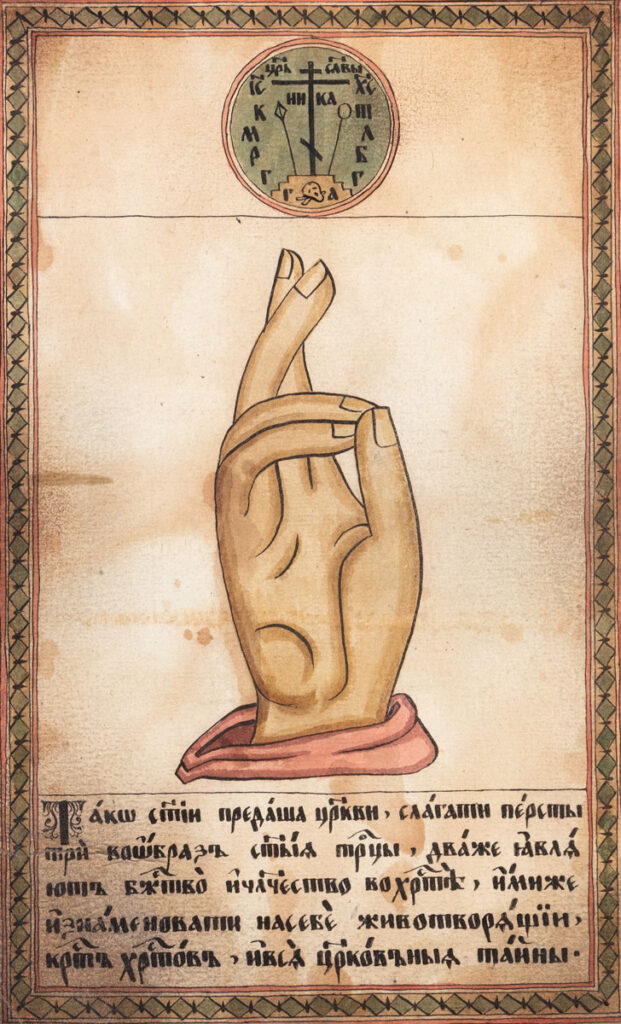
“A ritual, at the time of its creation, was born of a great thought, immense spiritual energy, and a profound spiritual fervor. And yet all energy is always preserved according to the law, so to speak, of ‘the conservation of spiritual energy.’ Just as heat is retained, the spiritual power of a ritual is preserved within it in a hidden state.”
—Bishop Mikhail (Semyonov)